
Boilers are a bit like toothaches: you can ignore them for a while, but they tend to demand attention at the worst possible time (usually when it’s freezing and you’ve got somewhere to be).
We install 10,000+ boilers a year, and we kept spotting the same pattern: most people don’t replace their boiler early.
They wait until it breaks, then they deal with the fallout - often sitting without heating or hot water while they try to sort a repair, then a replacement.
To understand it properly, we asked 1,000 homeowners who bought a boiler from Heatable why they replaced theirs. The results explain why “just repair it” often becomes the expensive option.
🔑 Key points:
Most people replace their boiler only after it fails - 62% of our customers had no heating or hot water at the point they booked.
Intermittent faults are the danger zone - 29% replaced after the boiler was cutting out, needing resets, or working “sometimes”.
The average time people went without heating/hot water was 15 days - basically two weeks of cold showers.
The costly mistake - people pay for repairs first, then replace anyway. 57% called an engineer out before replacing; 73% of those paid for repairs first; the average repair bill was £426.
Repairs tend to make sense when a boiler is under ~8 years old and it’s one clear fix. Replacement tends to make sense when it’s 10+ years old, has visible corrosion/leaks, or keeps breaking down.
If you want the quick rule: - age + repeat faults + corrosion/leaks = replace. Otherwise, a repair can be reasonable.
Watch the video: The costly mistake most homeowners make with their boiler
Why people get stuck without heating (and why it’s often avoidable)
Here’s what we see all the time: a boiler starts behaving oddly, but it’s still mostly working.
So people wait. Then it fails properly. Then they try to repair it. Then it fails again. Then they replace it anyway.
That isn’t a judgement - it’s normal human behaviour. We do it with washing machines, cars, and basically anything that costs money.
But the survey data shows how much that delay can cost.
At the point of booking a new boiler:
62% had no heating or hot water at all
29% had intermittent faults
9% replaced a boiler that was still working
So 9 out of 10 people waited for a problem.
Then we asked - how long were you without heating or hot water? The average answer was 15 days.
We offer next-day installs in many areas - but the hold-up usually isn’t the installation.
It’s the “what should I do?” phase: the call-outs, the waiting, the repairs, the second opinions, and the slow realisation that the boiler is becoming a money pit.
The £426 mistake: repairing first, then replacing anyway
This is the big one.
In the survey:
57% had already called someone out to look at repairs
of those, 73% paid for repairs before ordering a replacement
the average repair bill was £426
So for many homeowners, the real cost of “trying to save the boiler” is paying hundreds… then buying a new one anyway.
The key isn’t “never repair”. The key is knowing when a repair is sensible - and when it’s just delaying the inevitable.
How long should a boiler last?
There’s no official expiry date, but in real homes, boilers are often expected to last somewhere around 10–15 years, depending on how well they’ve been maintained and how hard they’ve worked.
A more useful way to think about lifespan is risk:
If it’s under ~8 years old and has been serviced properly, repairs are often worth it.
If it’s 10+ years old and starting to misbehave, you need to be very picky about what you’ll pay to keep it alive.
If it’s in the 12–15 year range and breaking down repeatedly, you’re often better off replacing before it strands you again.
Signs you need a new boiler
1) You’ve got no heating or hot water
This is the point most people wait for - and it’s the worst time to be making decisions.
If your boiler has fully stopped, you may be looking at emergency call-outs, time without heating, and repair quotes that don’t guarantee reliability afterwards.
2) You keep having to reset it
If the boiler needs frequent resets to get going again, it’s rarely “nothing”.
It’s usually a sign that something is failing intermittently - and those faults tend to become more frequent over time.
3) Your boiler works “sometimes”
Intermittent faults are the classic danger zone: sometimes it heats, sometimes it doesn’t.
Hot water goes hot/cold. The heating drops out mid-cycle. Fault codes pop up and disappear.
This is exactly the stage where many people spend money on repairs… because it feels fixable. Sometimes it is.
But if it’s paired with age or other warning signs, it often turns into repeat issues.
4) The boiler is 10+ years old and starting to play up
Age alone isn’t the issue. Age plus faults is. Once you’re 10+ years in, big repairs can be a gamble - because even if you fix this fault, something else may go next.
5) You can see rust, corrosion, or leaking (especially underneath)
This is one of the clearest “replace it” signals.
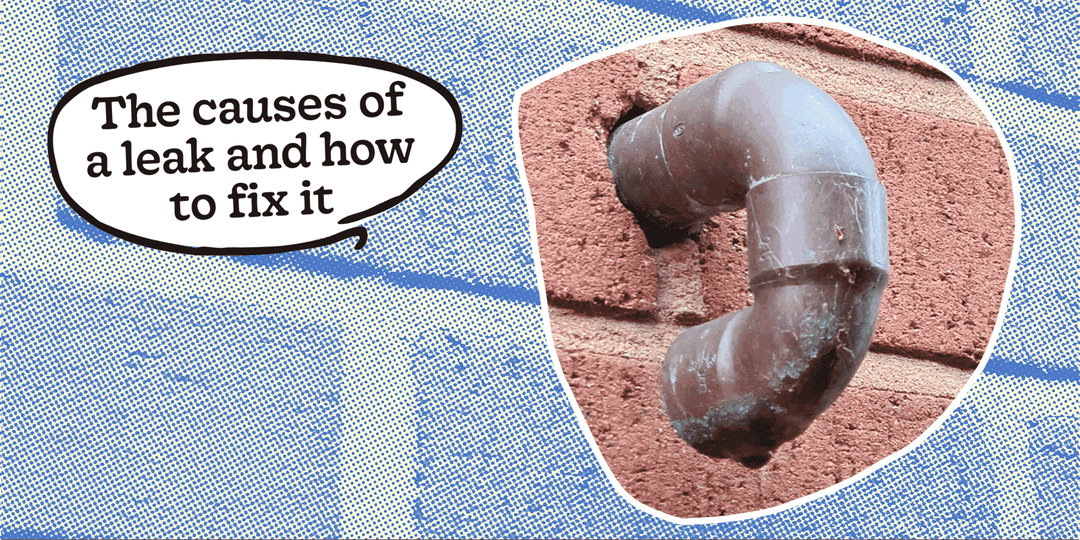
Corroded cases and visible leaks don’t usually get better on their own, and water around electrics is a bad combination.
If you can see corrosion or staining, you’re often looking at a boiler that’s deteriorating beyond the point where it’s worth nursing along.
6) You’re being quoted for multiple parts
A single clear part replacement can be fine.
But when an engineer starts listing multiple components - or you’re hearing “it might be this… or this…” - that’s when costs start stacking up with no guarantee the boiler becomes reliable again.
7) The diagnosed fault is a “big ticket” component
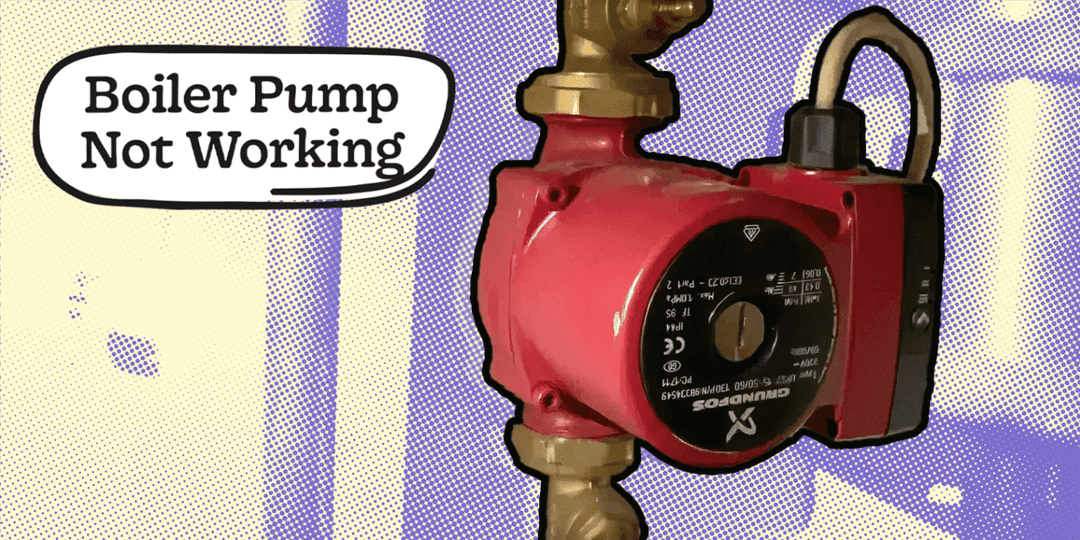
From the customer fault notes we saw, the commonly reported issues included things like PCBs, pumps, diverter valves, leaks and pressure issues.
Some of these can be straightforward, depending on the boiler and the age.
But they can also become expensive - and on an older boiler, big component replacements can be the start of the repair spiral.
8) You’re getting repeated engineer visits
If you’ve had multiple call-outs, repeated parts fitted, and it still isn’t dependable, that’s a strong indicator you’re better off replacing than continuing to gamble.
Pressure dropping? Don’t panic-replace
Pressure loss is common - and it doesn’t automatically mean you need a new boiler.
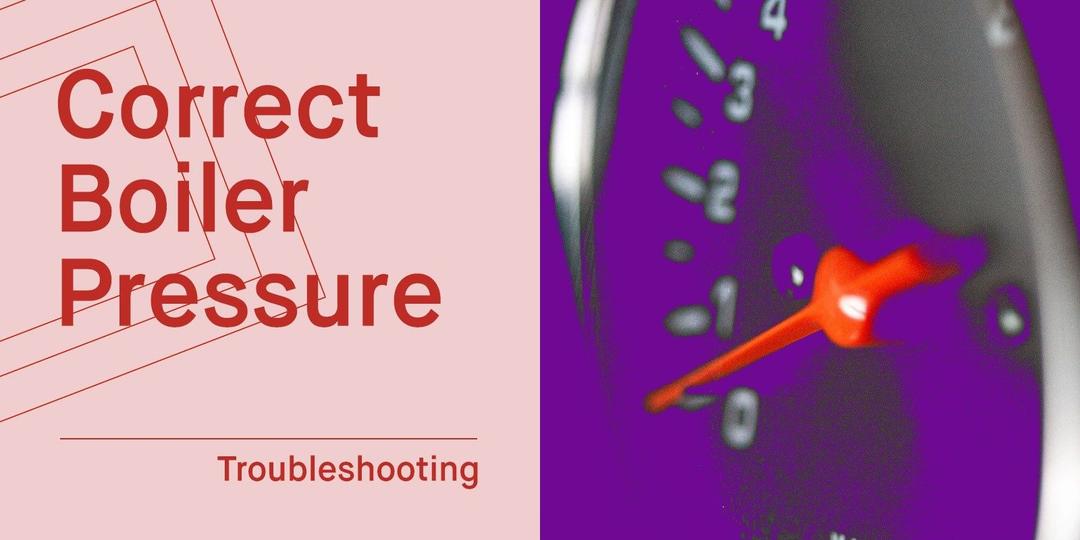
Sometimes it’s a cheap fix. Sometimes it’s a leak elsewhere in the system (radiators, pipework). It’s worth getting a proper diagnosis.
The key is context: if pressure issues are happening alongside visible corrosion, leaks, or repeated breakdowns - that’s when replacement starts to look like the smarter option.
Repair vs replace: the Heatable rule of thumb
When a repair usually makes sense
Repairs tend to make sense when the boiler is:
under ~8 years old
has a known service history
and the quote is for one clear, reasonably priced fix
In that scenario, you’re not “throwing parts at it” - you’re solving a specific problem.
When replacement is usually the better call
Replacement tends to be the smarter move when:
it’s 10+ years old
there’s visible rust/corrosion/leaks
you’ve had repeat breakdowns
or the engineer is talking about multiple parts
That’s the zone where people often spend hundreds, then replace anyway.
Common myth: “Just get the biggest kW you can”
Bigger isn’t automatically better.
Boilers should be sized to your property and hot water demand. Oversizing can mean you pay more than you need to, without actually improving comfort.
If you’re replacing, focus on getting the right spec for your home - not just the biggest number on a product sheet.
Thinking of replacing? Compare quotes properly
If you’re getting quotes, compare like-for-like. The easiest way to get misled is to compare prices where the inclusions don’t match.
Make sure you’re comparing:
boiler model/type and output
warranty length and what it covers
what’s included in the install (controls, filter, system flush/cleanse, flue work, etc.)
aftercare route if something goes wrong
Get a Quote for a New Boiler Today
If you’re aiming to get the best deal on a new boiler, consider getting your boiler installation with us. Here’s why:
Gas Safe installation within 24 hours.
Thousands of satisfied customers with an average score of 4.9 on Trustpilot, surpassing the market leader.
Which? Trusted Trader: Heatable is proudly recognised as a Which? Trusted Trader.
Price match guarantee: We will match any like-for-like cheaper quote.
Flexible payment options, including interest-free finance.
Up to 12-year guarantee on selected boilers.
Fixed price guarantee: No hidden costs.
Save your quote and decide later.
Get an instant fixed price on a new boiler, here.
To learn more about the best combi boilers and more, visit our advice section, check out our YouTube channel, or read customer testimonials here.
Heat Happy.