
Vaillant got an F75 code? It isn't a winning Wonka bar. Here's what F75 means, and how to fix.
Let’s be honest - nobody’s out here browsing boiler fault codes for fun.
But your boiler has flashed up F75, and that usually means one thing:
Your Vaillant boiler tried to start the pump, but it didn’t detect the pressure change it expected, so it locked out to protect itself.
Not ideal. But fixable - and sometimes it’s not even that dramatic.
Boiler old, unreliable and costing a fortune in repairs? Simply answer these questions, get your fixed price and you could get a new one installed as quick as tomorrow.
Key takeaways:
F75 error code indicates a failure to detect pressure change in the boiler.
Common causes include a faulty pump, pressure sensor, or a blockage in the system.
Troubleshooting steps involve checking for leaks, ensuring the pump is working, and verifying system pressure.
When to Call a Professional: If the problem persists after troubleshooting, contact a gas safe engineer for further inspection and repair.
In many cases, upgrading your old boiler to a new, more efficient model is the best solution.
Get a new quote (finance available including 0% APR).
What does the Vaillant F75 fault code mean?
F75 is basically your boiler saying:
“I tried to get water moving…but the pressure didn’t behave like it should.”
On many Vaillant ecoTEC models, the boiler expects a small pressure change when the pump starts.
If it doesn’t see it, it locks out as a safety measure - because stable pressure and circulation are non-negotiable for safe heating.
Which Vaillant models show F75?
You’ll most commonly see F75 on:
ecoTEC
ecoTEC plus
ecoTEC pro
What causes the Vaillant F75 error code?
There are a few causes, but the logic is always the same: the pressure response wasn’t detected when the pump tried to run.
Low system pressure (not enough water)
If pressure is too low, the pump can’t create the normal pressure behaviour the boiler expects - and F75 can appear.
This can happen after bleeding radiators, topping up incorrectly, or because the system has slowly lost pressure over time.
If you’re topping up repeatedly, that usually points to an underlying issue (often a small leak, PRV discharge, or expansion vessel problems).
Air in the system (airlocks disrupting circulation)
Air trapped in radiators or pipework can interrupt circulation enough that the pressure response is weak, inconsistent, or basically nonexistent.
If you’ve got gurgling radiators, cold spots, or heating that starts then gives up - air is a strong candidate.
Pressure sensor problems (faulty or blocked)
The pressure sensor is how the boiler “reads” what’s happening in the system.
If it’s faulty, drifting, or blocked by debris/sludge, it may not register the pressure change properly - so the boiler assumes something’s wrong and shuts down.
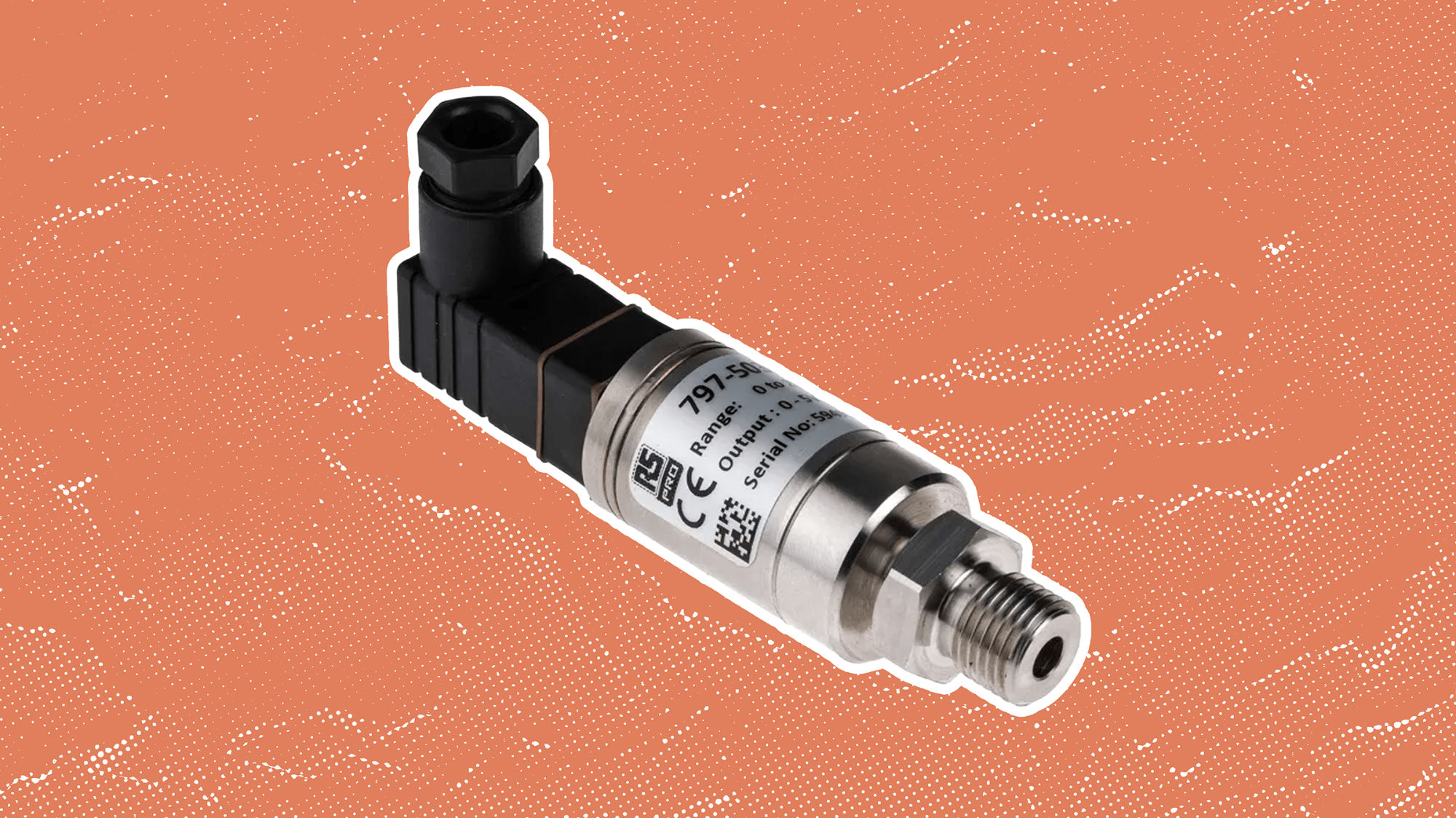
Image showing a standard pressure sensor
This is especially likely if your system water is dirty (rust, sludge/magnetite, limescale in hard water areas).
Put simply, if your heating water looks like it could be used as gravy, sensors don’t tend to thrive.
Pump issues (sticking, weak, or failing)
If the pump doesn’t spin up properly, or it’s struggling mechanically, the pressure change can be too small to detect - so F75 triggers even when system pressure looks “fine.”
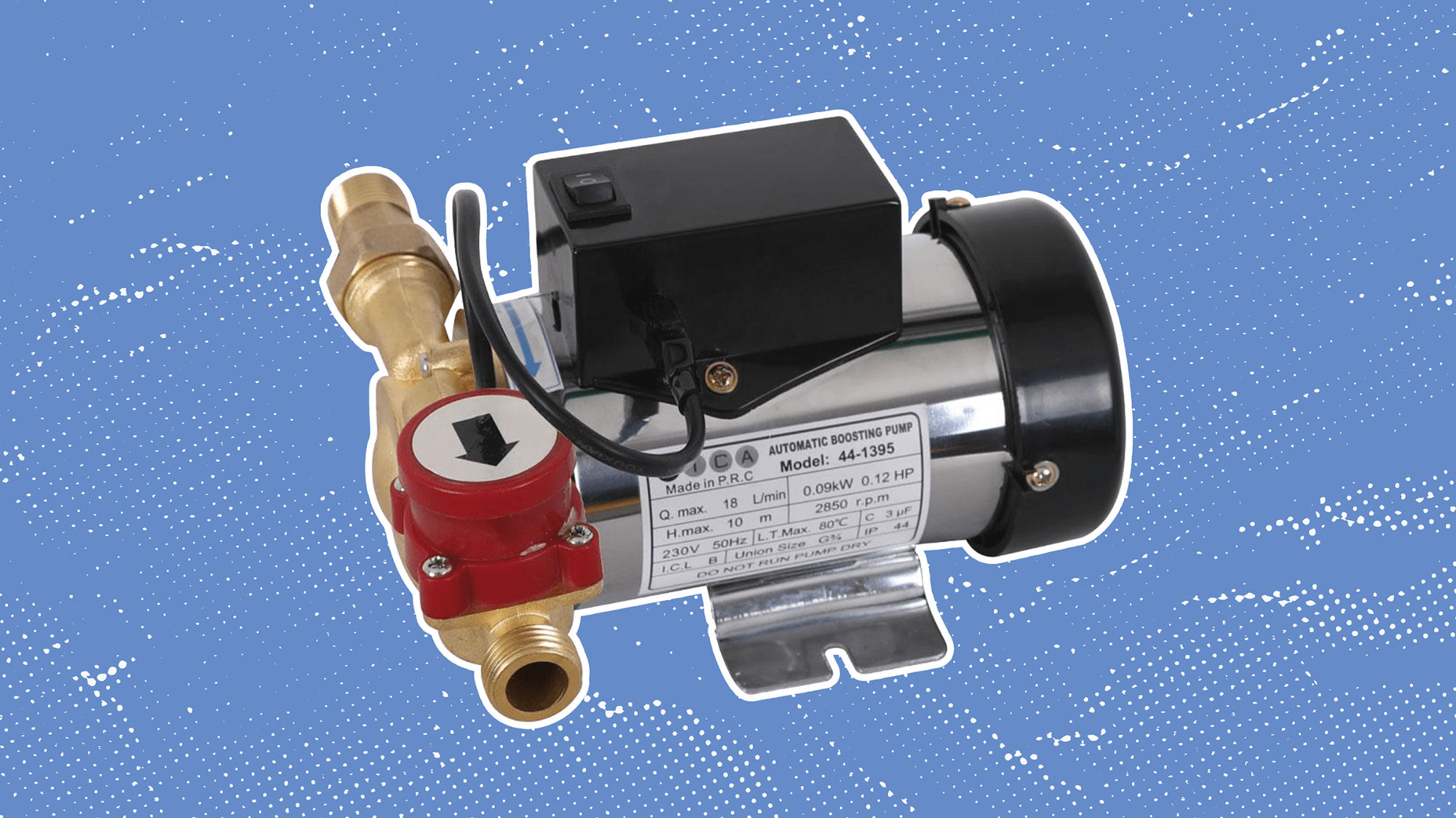
Image showing a standard boiler pump
A failing pump can be intermittent too, which is why people often report “it works sometimes, then throws F75 again.”
Is your Vaillant boiler experiencing some of the brand's most common fault codes? We have you covered in our F29 fault code and F62 fault code guides.
Circulation restrictions (blockages/sludge/stuck valves)
Sometimes the pump and sensor are fine - but water can’t move freely due to sludge, blockages, or stuck valves. That flattens the pressure response and the boiler can’t see what it expects.
This is one of the reasons a quick top-up can appear to “fix it”… until it comes back.
What you can safely do before calling an engineer
Here’s the sensible, low-risk order of operations:
First, check the boiler pressure. Many systems sit roughly around 1.0–1.5 bar when cold (your manual may vary).
If it’s low, top up using the filling loop, then reset the boiler. If you’ve got obvious air symptoms (noisy rads, cold tops), bleed radiators and then recheck/top up pressure again.
If F75 returns quickly after pressure is correct and you’ve dealt with air, it’s usually not a DIY job anymore - it’s diagnosis time.
Do I need a Gas Safe engineer to fix F75?
If F75 persists, yes.
Anything involving internal components (pump, sensors, wiring, bypass/expansion vessel checks) should be handled by someone appropriately qualified - and for gas appliances in the UK, that’s a Gas Safe Register engineer.
How much does it cost to repair an F75 error?
This is where the internet gets a bit chaotic, so here’s the clean way to think about it:
You’re paying for diagnosis + labour, and sometimes a part.
If it’s a straightforward pressure/air issue, it can be a quick visit.
If it’s pump/sensor/circulation, costs rise based on access, time, and whether the system needs attention beyond a single component.
A good rule of thumb:
Pressure sensor issues can be relatively contained if it’s just the part and labour.
Pump replacement is usually more expensive than a sensor fix.
Sludge/circulation restrictions can push costs up because you’re fixing the cause, not just swapping a part.
How can you avoid F75 happening again?
Annual servicing helps catch early circulation/pressure issues before they become a lockout.
Also: keep system water in good condition (inhibitor where appropriate, address sludge if symptoms build).
Most recurring F75 stories come down to the same theme: the system wasn’t healthy, so components started complaining.
In addition, a routine power flush is advised in order to keep your heating water free from dirt and sludge, a major culprit of blockages and corrosion in your boiler and central heating system.

Unfortunately, sometimes boilers just malfunction, this is especially true of old boilers that are no longer in their warranty period.
If this sounds like you, it may be time to replace your boiler before it starts to cost you more and more in repair costs.
Do You Need A New Boiler?
In some cases, replacing a boiler can make more financial sense than continuing to repair it. Here are the key factors to consider:
Age of the Boiler - If your boiler has surpassed its average lifespan (typically beyond 15 years) and is no longer covered by the manufacturer’s warranty, replacing it may be a more cost-effective option to avoid recurring repair expenses.
Repair Costs - When the cost of repairing the boiler exceeds 50% of the price of a new one, it’s usually more financially sensible to invest in a replacement rather than continuing with costly repairs.
Frequency of Breakdowns - If your boiler is breaking down more frequently, it’s often a sign of significant wear and tear and it is beyond economical repair. In such cases, replacing the boiler can help avoid mounting repair costs and the inconvenience of ongoing issues.
Energy Efficiency - Older boilers tend to be far less efficient than modern models, leading to higher running costs. Upgrading from a G-rated to an A-rated boiler could save you up to £385 per year in energy bills, making replacement a financially smart decision in the long run.
By carefully weighing these factors, you can determine whether replacing your boiler offers better value and peace of mind compared to continued repairs.
Looking for the best deal on a new boiler?
If you’re aiming to get the best deal on a new boiler, consider getting a quote from us, here’s why:
Gas Safe installation within 24 hours.
Thousands of satisfied customers with an average score of 4.9 on Trustpilot, surpassing the market leader.
Which? Trusted Trader: Heatable is proudly recognised as a Which? Trusted Trader.
Price match guarantee: We will match any like-for-like cheaper quote.
Flexible payment options, including interest-free finance.
Up to 12-year guarantee on selected boilers.
Fixed price guarantee: No hidden costs.
Save your quote and decide later.
Get an instant fixed price on a new boiler, here.
To learn more about boilers, visit our advice section, check out our YouTube channel, or read customer testimonials here.